Timber Floor Gap Filling Brisbane: A Flexible Solution for Gaps Between Floorboards
- August 18, 2026
- News
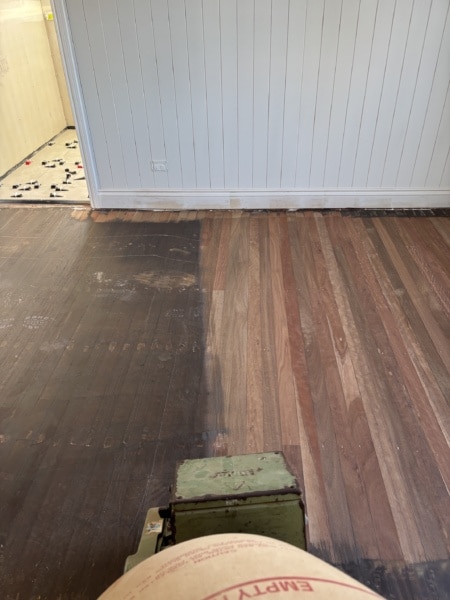
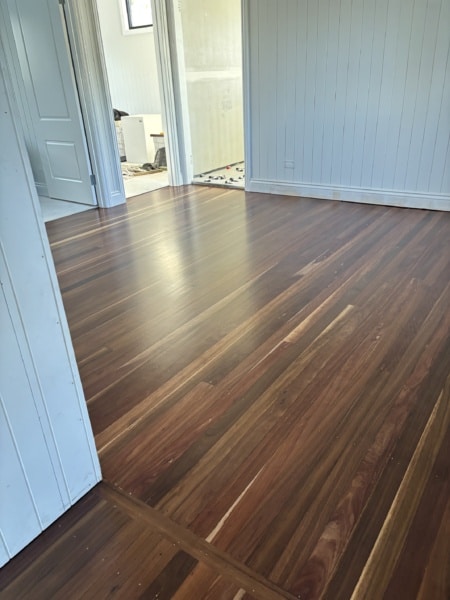
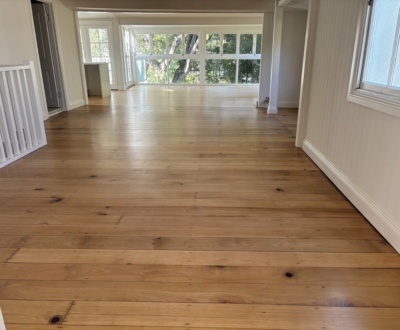
If you have timber floors with visible gaps between the floorboards, timber floor gap filling can be an excellent option when carried out correctly. At Brisbanes Finest Floors, we understand that every timber floor is different, which is why we assess the condition of the floor before recommending the most suitable gap-filling method.
One option available for suitable timber floors is a flexible gap filler, which is designed to accommodate the natural movement of timber while helping create a cleaner, more uniform appearance.
Why Do Gaps Appear Between Timber Floorboards?
Timber is a natural material that responds to changes in temperature and humidity. As the moisture content of the timber changes, floorboards can naturally expand and contract.
In Brisbane, changes in humidity throughout the year can contribute to noticeable movement in timber flooring. During drier conditions, boards can shrink slightly, causing gaps between individual boards to become more visible.
These gaps aren’t necessarily a sign that your floor is damaged. In many cases, they are simply part of the natural behaviour of timber flooring.
However, if the gaps are large or affecting the overall appearance of your floor, professional timber floor gap filling may be worth considering.
What Is Flexible Timber Floor Gap Filling?
Traditional timber floor fillers can be relatively rigid once they have cured. If the timber continues to move, a rigid filler may crack, break away or fall out of the gap.
A flexible gap filler provides an alternative for suitable applications.
Flexible floor-filling systems are designed to move to a degree with the timber, helping the filler remain within the joint as the floorboards naturally expand and contract.
This can make flexible gap filling particularly useful when restoring older timber floors where there are noticeable gaps between the boards.
Flexible Gap Filler vs Traditional Floor Filler
The right filling method depends on the size and movement of the gaps, as well as the construction and condition of the floor.
For smaller gaps, a traditional timber floor filler combined with fine sanding dust from the floor can often provide an excellent colour match and smooth finish.
For larger or more active gaps, a flexible filling system may be more appropriate.
The important thing to understand is that not every timber floor gap should be filled in the same way.
A professional assessment can help determine whether flexible gap filling, conventional filling or leaving the gaps open is the best option for your particular floor.
Can All Gaps Between Floorboards Be Filled?
No. This is an important consideration when planning a timber floor restoration.
Timber floors are naturally subject to movement, and some gaps may be too large or experience too much movement for conventional filling methods.
Trying to fill every gap regardless of the condition of the floor can result in disappointing results, including cracking or filler failure.
At Brisbane’s Finest Floors, we look at factors including:
- The size and depth of the gaps
- The amount of movement in the floor
- The type and species of timber
- The age and condition of the flooring
- The construction of the floor
- The overall condition of the boards
- The finish you want to achieve
This allows us to recommend a gap-filling approach that is appropriate for the floor rather than using a one-size-fits-all solution.
What Are the Benefits of Filling Gaps in Timber Floors?
When appropriate for the floor, gap filling can significantly improve the appearance of an older timber floor.
A More Uniform Appearance
Large gaps can make a timber floor look uneven or aged. Filling suitable gaps can create a more continuous appearance across the floor.
Easier Cleaning
Open gaps can collect dust and dirt over time. Reducing suitable gaps can make the finished floor easier to maintain.
A Better Finished Result
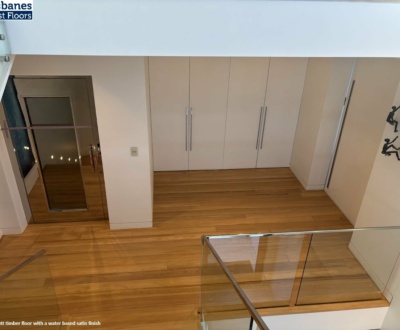
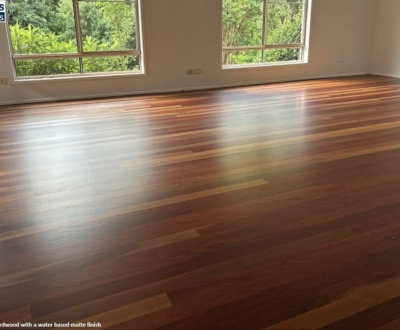
When gap filling is combined with professional timber floor sanding and polishing, the result can be a beautifully restored floor with a smoother and more consistent appearance.
Restore Instead of Replace
One of the biggest advantages of professional floor restoration is that an existing timber floor may be able to be transformed without replacing the boards.
Sanding, gap filling and applying a new protective finish can give an older floor a completely different appearance while retaining the character of the original timber.
Does Flexible Gap Filling Stop Timber From Moving?
No. And this is an important point.
Flexible gap filler doesn’t prevent timber from naturally expanding and contracting. Instead, it is designed to accommodate a degree of movement within the joint.
Timber will continue to respond to its environment, particularly as temperature and humidity change.
This is why professional preparation and choosing the correct gap-filling system are so important.
The objective isn’t to permanently lock the floorboards together. The objective is to improve the appearance of suitable gaps while allowing the floor to retain its natural movement.
If you’re considering timber floor sanding and gap filling in Brisbane, contact Brisbanes Finest Floors to arrange an assessment and discuss the best option for your floor.

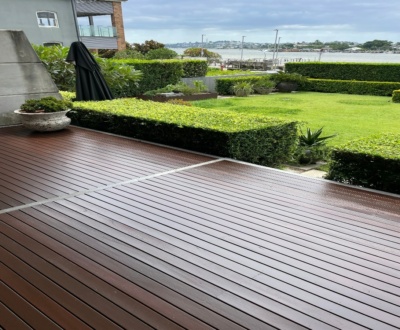
Brisbanes Finest Floors, with over 20 years of experience in adding wow to any wooden floor, internal or decking.
Request a free quote
Talk to us today and discuss your floor restoration, repairing your deck and new flooring.