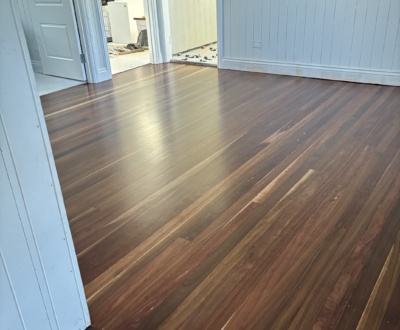
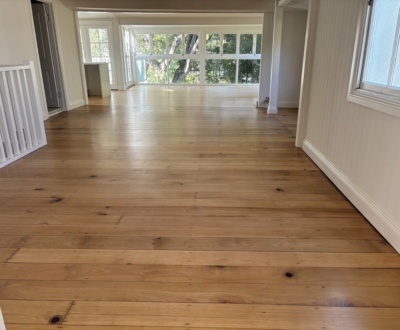
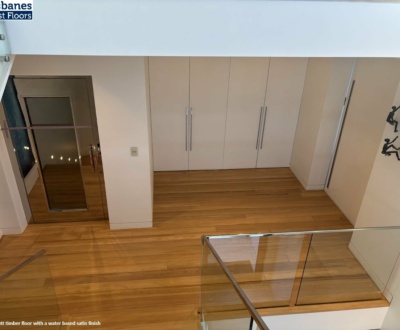
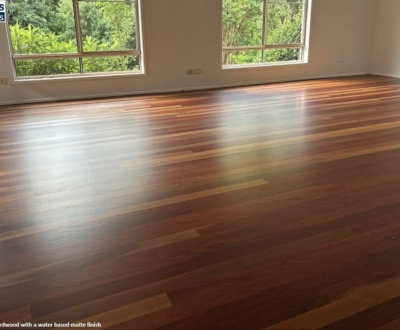
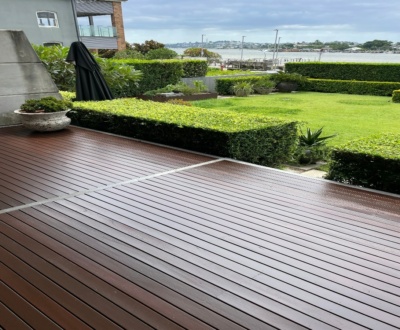
Durable and elegant, Australian hardwood is a premium flooring option with an organic warmth, softness and tactility that no other flooring material can match. Solid Australian hardwood exudes natural beauty and can endure decades of use.
This guide explores 14 of our favourite Australian hardwood flooring species, including their colours, textures, grains, qualities, and practical applications to inspire your home’s design.
Australian hardwood flooring species
There are countless Australian hardwoods, each with its unique properties. These are the most sought-after Australian hardwoods:
- Blackbutt (Eucalyptus pilularis)
- Brushbox (Lophostemon confertus)
- Flooded (Rose) Gum (Eucalyptus grandis)
- Jarrah/Swan River Mahogany (Eucalyptus marginata)
- Karri (Eucalyptus diversicolor)
- Ironbark (Eucalyptus paniculate, Eucalyptus drepanophylla, Eucalyptus decepta,
- Eucalyptus sideroxylon or Eucalyptus mugga)
- Myrtle Beech (Nothofagus cunninghamii)
- Spotted Gum (Eucalyptus maculata)
- Victorian Ash/Alpine Ash (Eucalyptus delegatensis)
- Forest Red – a mixture of various eucalyptus
- River Red Gum (Eucalyptus camaldulensis)
- Sydney Blue Gum (Eucalyptus saligna)
- Tallowwood (Eucalyptus microcorys)
- Turpentine (Syncarpia glomulifera)
Types of Australian hardwood – how to choose the right one

Here are some elements to consider when selecting types of Australian hardwood:
- Colour palette and grain – different Australian hardwoods naturally vary in colour from soft yellows and greys to deep, rich reds.
- Density – Australian hardwoods have different densities, which influence durability and suitable applications.
- Fire and termite resistance – some hardwoods are naturally termite-resistant, while others are extremely fire-resistant.
Australian hardwood benefits
- Natural warmth – timber floors feel warmer and softer underfoot than vinyl and tiles.
- Durability – Australian hardwoods are some of the world’s most durable, making them a great investment. Where vinyl and carpet need to be replaced over time, you can simply sand and re-polish Australian hardwood floors to return them to their original condition.
- Easy to clean – Australian hardwoods can be easily cleaned with a broom or vacuum and an occasional damp mop.
Australian hardwood flooring and decking downsides
- Price – being a premium product, hardwood floors are on the pricier end of the flooring spectrum. However, their high up-front cost should be considered in the context of their longer lifespan.
- Surface scratches – timber floors can be more prone to scratches than synthetic flooring options.
- Cupping and crowning – cupping, peaking and crowning in timber floors can occur if they’re not properly installed by a trusted professional.
14 Australian hardwood flooring types
Here’s everything you need to know about 14 of the best Australian hardwood flooring types.
1. Blackbutt

Botanical name: Eucalyptus Pilularis
Colour: Medium honey-brown to creamy blonde, to light brown with a tinge of pink.
Texture & grain: Straight grain with an even texture.
Origin: NSW and QLD
Qualities: With its impressive fire resistance, Blackbutt can be used in bushfire-prone areas without needing fire-retardant treatment.
Applications: A strong, durable hardwood, Blackbutt can be used for a range of exterior and interior applications including framework, decking and flooring. Its subtle colouring makes it ideal for creating an airy, light neutral interior.
2. Brushbox
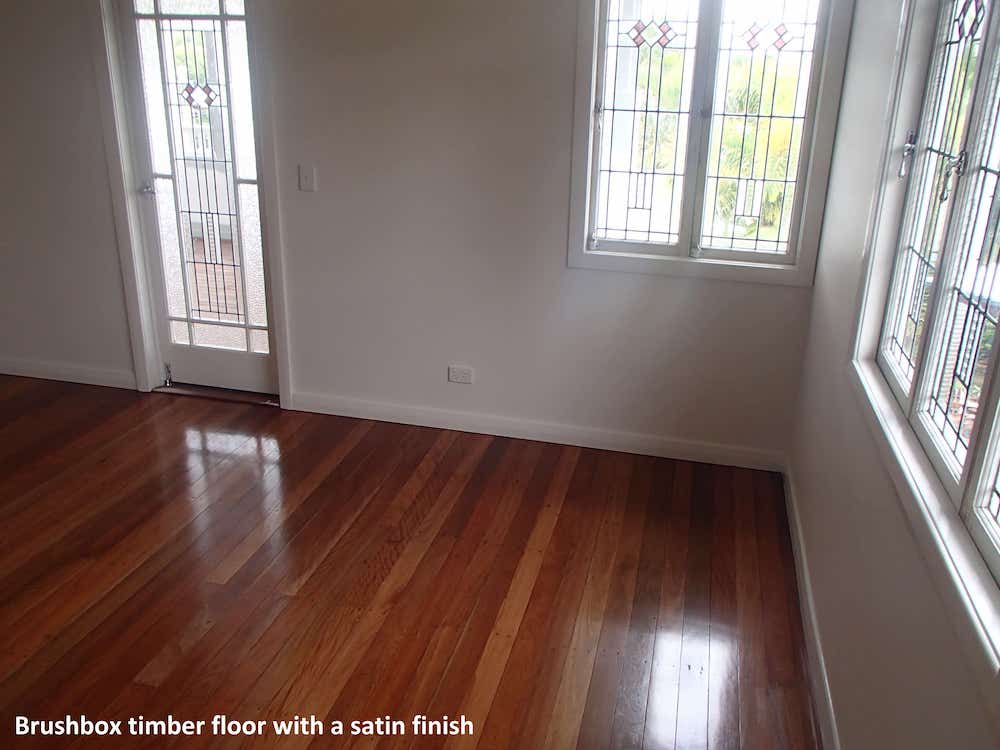
Botanical name: Lophostemon Confertus
Colour: Beautiful, rich colours, including pale pink-grey, light red-brown and deep russet.
Texture and grain: Curly, interlocking grain and fine, even texture.
Origin: Coastal QLD and north-eastern NSW
Qualities: Brushbox’s high density makes it highly resistant to wear and splintering. Brushbox makes an excellent base for paints and stains. However, its natural waxiness makes it incompatible with highly solvent floor finishes.
Applications: Brushbox’s interlocking grain makes it attractive for joinery, flooring, cladding, panelling, framing and laminated beams.
3. Flooded (Rose) Gum

Botanical name: Eucalyptus Grandis
Colour: Shades of deep light pink, peach and pale red-brown.
Texture and grain: Uniform, straight to slightly interlocked grain. The timber is occasionally decorated with insect trails and pinholes that add to its character and beauty, such as the iconic weaving or ‘scribbling’ pattern left by a scribbly borer. It has a moderately coarse, even texture.
Origin: NSW and QLD
Qualities: Flooded Rose Gum’s high density rating makes it resistant to termite damage.
Applications: Rose gum is an extremely versatile choice for house framing, cladding, joinery, interior floorboards and exterior decking, as well as fine furniture and durable outdoor furniture.
4. Jarrah (Swan River Mahogany)
Botanical name: Eucalyptus marginata
Origin: South-west WA
Colour: Soft salmon pink, blonde, rich red-brown and soft burgundy.
Texture and grain: Interlocked or wavy grain with a medium to coarse texture.
Qualities: Jarrah boasts a staggering 15 per cent higher density than oak and natural resistance to weather, rot, termites, and marine borers. This timber will not burn unless exposed to a constant flame.
Applications: Jarrah’s durability makes it popular for home flooring, joinery, and indoor and outdoor furniture. Jarrah readily accepts many different types of timber floor finishes, including paint, stain or polish.
5. Karri

Botanical name: Eucalyptus diversicolor
Colour: Lustrous shades of golden-pink or red-brown with creamy white streaking.
Texture and grain: Long, interlocked grain.
Origin: WA
Qualities: Durable and slow-growing, karri timber is moderately dense, making it denser than Australian hardwoods timbers like Cypress Pine, but softer than Ironbark.
Applications: Karri is excellent for flooring, panelling and joinery.
6. Ironbark

Colour: Pale to mid purple-brown, dark chocolate brown, deep rich red and grey shades.
Texture and grain: Tight cathedral grain pattern with recurring arch shapes. Ironbark has a moderately coarse texture with strong marbling.
Origin: NSW and QLD
Qualities: Ironbark is especially hard, strong and durable.
Applications: Ironbark (both grey and red) is one of the densest hardwood flooring options, making it ideal for decking and high-traffic areas. Its high durability makes it ideal for decking and high-traffic areas of the home.
7. Myrtle Beech

Botanical name: Nothofagus Cunninghamii
Colour: Striking rich red-brown, honey blonde or orange shades, streaked with light cream or light pink-brown.
Texture and grain: Glorious variety of grain patterns, including wavy, tiger stripes and burl. The wood has a fine texture and provides a very smooth finish.
Origin: Tasmania
Qualities: Prized by architects, Myrtle Beech takes on a deep lustre when polished.
Applications: Crafting solid, high-quality furniture, joinery and cabinet making, flooring and feature panelling.
8. Spotted Gum

Botanical name: Eucalyptus maculata
Colour: Pale grey-brown or honey green to soft cream or rich chocolate brown with purple streaks.
Texture and grain: Wavy grain, which can create an attractive rippled effect.
Origin: NSW and Queensland
Qualities: Spotted Gum is a tough, fire-resistant timber suitable in areas vulnerable to bushfires without applying a fire retardant treatment.
Applications: Framing, flooring, lining, cladding and decking—including this gorgeous spotted gum deck, sanded and coated with Intergrain Ultradeck. It can be painted, stained or polished.
9. Victorian Ash (Alpine Ash)
Botanical name: Eucalyptus delegatensis
Colour: Silky pale pink, blonde or light nutty brown.
Texture and grain: Straight, open and even grain, coarse texture and stunning fiddleback markings.
Origin: Tasmania, Victoria and Southern NSW
Qualities: This timber is strong, stable and moderately hard. It is not resistant to termites. It accepts stains and paints well, giving you flexibility to create your desired finish.
Applications: Best suited for interiors, such as flooring, decking, panelling, joists, trusses, staircases, window frames, doors and furniture.
10. Forest Red (Gums)
Botanical name: a mixture of Eucalyptus trees
Colour: Deep burgundy colour—a striking, eye-catching shade that looks stunning on rear decks.
Texture and grain: Tight, interlocking grain.
Origin: South-eastern/northern Victoria, NSW and QLD.
Qualities: This timber is versatile, stable, and incredibly strong—it’s even been used for railway sleepers!
Applications: Well-suited to posts, framing, decking, lining, and cladding.
11. River Red Gum
Botanical name: Eucalyptus camaldulensis
Colour: Deep, rich burgundy ranging from light to dark.
Texture and grain: Interlocked with frequent gum veins.
Origin: Australia-wide
Qualities: Durable, strong, and if you like bold timbers, absolutely gorgeous. So durable it was used as street paving in 1800s Sydney.
Applications: River Red Gum has countless applications, including flooring, framing, fencing, plywood, heavy construction and veneer manufacture.
12. Sydney Blue Gum

Botanical name: Eucalyptus saligna
Colour: Soft pinks, dark pinks, and red-toned browns.
Texture and grain: Mostly straight grain, sometimes interwoven.
Origin: Eastern coast of Australia
Qualities: Sydney Blue gum has a rating of 9 on the Janka scale, making it highly resistant to dents and knocks.
Applications: Sydney Blue Gum is ideal for flooring in high-traffic areas, decks, and also joinery and furnishings.
13. Tallowwood
Botanical name: Eucalyptus microcorys
Colour: Warm, inviting golden that ranges from yellowish brown to paler shades, sometimes with a hint of green.
Texture and grain: Attractive wavy grain that curves and ripples along each plank. It’s fairly coarse with an interlocking grain.
Origin: QLD and NSW
Qualities: Highly resistant to termites and rot. Tallowwood has a Janka rating of 8.6 and density of 990 kg/m³, making it strong but still workable by carpenters.
Applications: Tallowwood’s durability makes it excellent for fencing, landscaping and retaining walls, and also outdoor furniture, joinery and decking.
14. Turpentine

Botanical name: Syncarpia glomulifera
Colour: Deep red to red-brown.
Texture and grain: Wavy, interlocked grain mostly free of gum veins.
Origin: NSW and QLD
Qualities: Extremely long-lasting with a lifespan of 40 years or more.
Applications: General house framing, decking, lining, and cladding. As such a strong hardwood, it’s also suitable for dance floors.
To learn more about the extensive range of Australian hardwood we stock, contact the friendly team at Brisbanes Finest Floors today.

Brisbanes Finest Floors, with over 20 years of experience in adding wow to any wooden floor, internal or decking.
Request a free quote
Talk to us today and discuss your floor restoration, repairing your deck and new flooring.